In the fast-paced world of commercial real estate, elevators play a crucial role. They ensure smooth transportation within buildings, impacting both operations and user experience. However, maintaining these vital systems is key. A common question arises: "How often should a commercial elevator be serviced?"
Regular servicing is essential for safety and performance. The frequency varies based on usage, building type, and manufacturer recommendations. Neglecting this can lead to unexpected breakdowns, potentially affecting business flow. Many businesses may overlook the nuances of elevator maintenance, often choosing a generic service schedule. This lack of specificity can be problematic. The reality is that every elevator system has its unique requirements.
Moreover, establishing a routine service plan can be challenging. Businesses must balance costs with operational needs. Not all maintenance providers offer the same level of expertise. It's vital to ensure that the chosen service aligns with industry standards. Investing in quality maintenance not only prolongs the elevator's lifespan but also enhances overall safety for users. Understanding these dynamics is crucial for any commercial property owner.
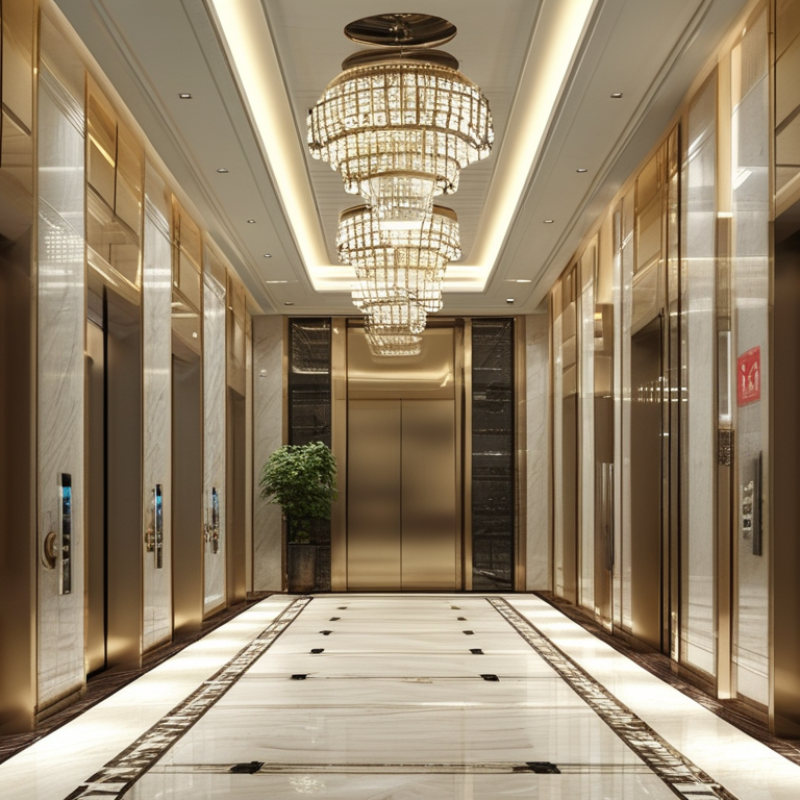
Regular elevator maintenance is crucial for ensuring safety in commercial buildings. Neglecting service can lead to unexpected breakdowns and safety hazards. A well-maintained elevator operates smoothly, reducing the risk of accidents. Service frequency should align with usage levels and building occupancy.
In China, professionals recommend specific intervals for elevator service. Monthly checks can identify minor issues before they escalate. Mechanical components can wear down over time, creating risks. Routine inspections help maintain safety standards and ensure compliance with regulations. It's essential to document all service activities.
While maintenance is vital, some businesses may overlook it. Cutting costs can seem appealing, but it compromises safety and reliability. Elevators are often taken for granted, yet they are critical for daily operations. Addressing maintenance proactively is a reflection of professionalism and care for users. Balancing budgets should never come at the expense of safety.
The frequency of commercial elevator services heavily depends on several key factors. Usage intensity is a primary consideration. Elevators in high-rise buildings or busy retail spaces may require more frequent checks. According to industry reports, elevators in high-traffic areas should undergo maintenance every 1-3 months. In contrast, elevators in low-traffic settings might need service only twice a year.
Another factor is the age of the elevator system. Older systems tend to require more frequent maintenance. A study from the International Association of Elevator Engineers indicates that elevators over 15 years old can experience a 40% increase in service needs. Additionally, compliance with safety regulations plays a significant role. Many jurisdictions enforce strict service intervals to ensure safety and reliability. Neglecting these regulations can lead to fines and safety hazards.
Operational environment also affects service frequency. Elevators in environments with heavy dust or heat may deteriorate faster. Research shows that such conditions can increase wear and tear on elevator components. Regular inspections are essential, even if they seem unnecessary. Many companies overlook this aspect, risking costly repairs. Balancing these factors helps establish an effective service frequency tailored to specific needs.
| Tip No. | Service Frequency | Influencing Factors | Recommended Actions |
|---|---|---|---|
| 1 | Monthly | High traffic buildings | Regular inspections and lubrication |
| 2 | Quarterly | Medium traffic environments | Thorough cleaning and testing |
| 3 | Bi-annual | Low traffic buildings | General maintenance and monitoring |
| 4 | Yearly | Occasional use elevators | Inspection and necessary repairs |
| 5 | As needed | Emergency scenarios | Immediate professional service |
| 6 | Before major events | Event venues | Pre-event inspections |
| 7 | After major malfunctions | Elevators with frequent issues | Post-incident analysis and repair |
| 8 | Monthly Testing | Healthcare facilities | Compliance and safety checks |
| 9 | Regularly scheduled | Shopping malls | Preventive maintenance plans |
| 10 | Custom frequency | Unique operational needs | Tailored service plans |
When it comes to maintaining commercial elevators, regular service is crucial. Different types of elevators have specific service interval recommendations. For instance, hydraulic elevators typically require maintenance every 3 to 6 months. This ensures the hydraulic system operates efficiently. Regular checks can prevent major issues, saving time and money in the long run.
In contrast, traction elevators may need service every 4 to 6 months. These elevators have different components that wear down at varying rates. Addressing these components early can prolong the elevator's life. Additionally, wear and tear should be monitored regularly to avoid unexpected breakdowns.
One important tip is to document each service visit thoroughly. This practice helps track the elevator's performance over time. If problems arise, having a detailed service history can make diagnosis easier. Consider frequent communication with service providers. They can offer insights into potential issues, ensuring a smooth operation. Balancing service frequency and operational needs can improve elevator reliability.
Elevator maintenance is crucial for safety and efficiency. Regular inspections can prevent costly repairs and ensure reliable service. During maintenance visits, technicians often focus on key components that require their expert attention.
One critical area is the elevator cab. Inspect doors, buttons, and lighting for functionality. A malfunctioning door can cause delays and safety hazards. Additionally, check the control panel for any signs of wear. A small issue here can lead to bigger problems down the road. Ensure that emergency communication systems are operational. They are vital for passenger safety in case of an emergency.
The next focus should be on the mechanical components. Review the drive system, pulleys, and cables. Look for any signs of fraying or wear. These parts endure significant stress and require close monitoring. Lubrication is often overlooked but is necessary to keep systems running smoothly. Regular checks of the hydraulic fluid levels are also essential to avoid leaks. Ensure everything is working optimally; otherwise, you risk affecting the entire system's reliability.
Elevators play a vital role in modern buildings. Their usage heavily influences service frequency and associated costs. High-rise buildings often experience significant foot traffic. This means their elevators are in constant use. Consequently, they may require more frequent maintenance. Regular inspections are essential to prevent unexpected breakdowns. An elevator out of service can impact business operations and tenant satisfaction.
The number of daily trips also matters. In commercial settings, peak hours can lead to increased wear and tear. For instance, an elevator serving a bustling office may need servicing every three months. In contrast, one in a low-traffic area might only need attention twice a year. Understanding these patterns is critical. Building owners should analyze usage data. This helps in scheduling maintenance strategically, balancing service frequency, and operational costs.
Factors like the age of the elevator can further influence maintenance needs. Older models may require more care than newer technology. However, over-maintaining an elevator can also be wasteful. Striking a balance between service and cost-effectiveness is key. A thoughtful approach can save money and ensure safety for all users. Regular check-ups backed by accurate data foster reliability.
: Regular maintenance ensures safety by preventing unexpected breakdowns. A well-maintained elevator operates smoothly, reducing accident risks.
Hydraulic elevators need maintenance every 3 to 6 months, while traction elevators require servicing every 4 to 6 months.
Neglect can lead to mechanical wear, unexpected breakdowns, and safety hazards, impacting user satisfaction and operations.
High traffic increases wear and tear. Elevators in busy buildings may require more frequent inspections than those in low-traffic areas.
Documenting service visits is crucial for tracking performance. A detailed service history aids in diagnosing future issues.
Yes, reducing maintenance can compromise safety and reliability. It’s essential to balance budgets without sacrificing user safety.
Older elevators typically need more care than newer models. However, over-maintenance can lead to unnecessary costs.
Frequent communication can help identify potential issues early, ensuring smooth elevator operation and reducing risks.
Analyzing usage data helps schedule maintenance strategically, balancing service needs and costs effectively.
Striking a balance between regular checks and cost-effectiveness fosters reliability while ensuring safety for all users.
Regular maintenance is crucial for the safety and performance of commercial elevators. Understanding the importance of such maintenance ensures that these systems function efficiently and safely for users. Factors influencing the frequency of services include elevator type, usage patterns, and specific environmental conditions. To address the question, "How often should a commercial elevator be serviced?" industry standards generally recommend service intervals ranging from monthly to quarterly, depending on the elevator's usage and type.
During maintenance visits, key components such as safety mechanisms, cables, and control systems should be thoroughly inspected. Frequent usage or heavy load conditions can increase wear and necessitate more regular servicing, ultimately impacting both service frequency and associated costs. By adhering to recommended servicing protocols, businesses can enhance elevator reliability and ensure a safer environment for all occupants.

DHI Lift