The demand for energy-efficient solutions has never been greater. In 2022, commercial buildings accounted for nearly 40% of total energy consumption in the United States. This trend underscores the need for innovative technologies. Among these, smart elevator systems have emerged as a key player. They not only enhance user experience but also significantly reduce energy usage.
How to save energy with smart elevator systems? A recent report by the International Energy Agency indicates that elevators can consume up to 10% of a building's energy. By utilizing advanced algorithms and real-time data, smart elevators optimize their operations. For example, they can predict traffic patterns and adjust their responses accordingly. This capability allows them to minimize idle time and unnecessary trips.
However, while technology offers potential savings, it also presents challenges. Integrating smart systems with existing infrastructure can be complex. Many buildings still rely on outdated elevator technology. This may limit the benefits of smart solutions. It is essential for stakeholders to carefully evaluate their options. Investing in smart elevator systems can yield significant energy savings, but it requires thoughtful implementation.
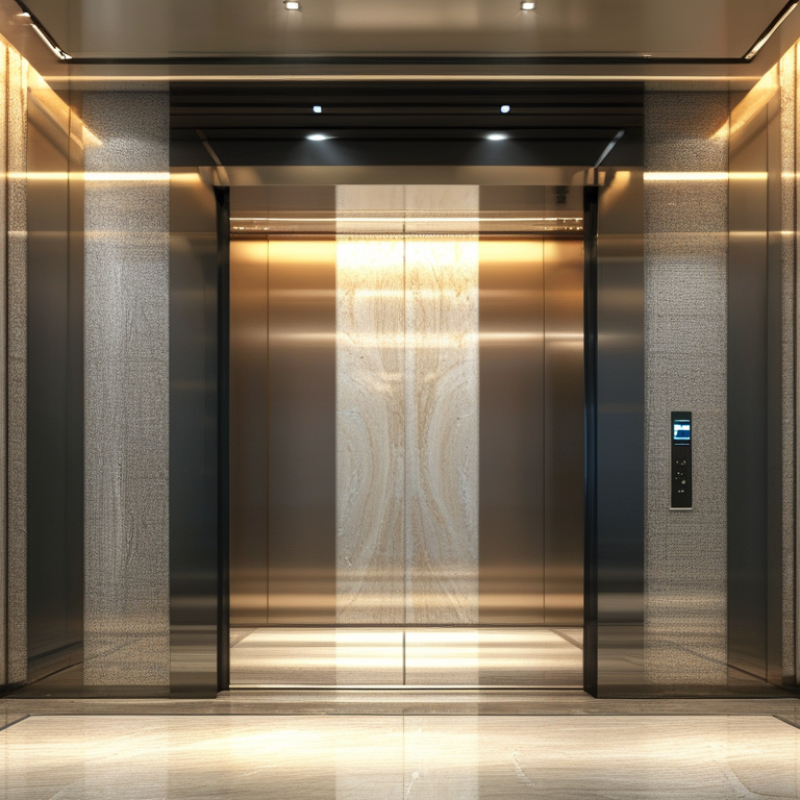
Understanding Smart Elevator Systems and Their Energy Efficiency
Smart elevator systems are revolutionizing building energy efficiency. These innovative systems use advanced technology to optimize their operation. By analyzing patterns in passenger usage, they minimize energy consumption during peak and off-peak hours. This adaptability allows for smoother operations and less energy waste.
The integration of regenerative drives is another key feature. These drives capture energy during descents and reroute it for use during ascents. This process significantly reduces overall energy use. However, not all buildings implement these systems effectively. Some may overlook necessary upgrades or maintenance, leading to diminished energy savings.
Moreover, smart elevators often come equipped with features like destination dispatch. This system groups passengers based on their desired floors. It decreases the number of stops and wait times, enhancing overall efficiency. Yet, without proper user education, these benefits may be underutilized. Ensuring users understand how to leverage these systems fully is vital for maximizing energy efficiency.
Key Features of Smart Elevator Systems That Promote Energy Savings
Smart elevator systems are revolutionizing energy efficiency in buildings. These innovative platforms utilize advanced technology to minimize power consumption.
Key features contribute to their energy-saving capabilities. Regenerative drives capture energy during elevator descent and return it to the building's power grid. This process significantly reduces energy waste while enhancing overall efficiency.
Smart scheduling optimizes elevator use. By using algorithms, these systems anticipate demand. They group passengers going to similar floors, reducing unnecessary trips. This can lead to considerable energy savings. Responding to real-time data ensures that elevators are not idling unnecessarily. Energy consumption is directly impacted by how efficiently the system operates.
One effective tip is to perform regular maintenance on elevator systems. Neglected machines can consume more energy than expected. Inspecting components can identify issues early, preventing energy loss. Another tip involves educating building occupants about optimal elevator use. Simple practices, like walking shorter distances, can significantly impact energy efficiency. Through awareness and technology, smarter choices lead to energy savings.
Best Practices for Implementing Energy-Efficient Smart Elevators
Implementing energy-efficient smart elevator systems can significantly reduce energy consumption in buildings. Research shows that elevators account for roughly 2-5% of a building’s total energy usage. By incorporating regenerative drives, these systems can reclaim energy typically lost during operation, improving efficiency. Regenerative drives can reduce energy costs by up to 75%, especially in high-rise buildings where elevators frequently move.
Utilizing predictive analytics is a best practice for energy efficiency. By assessing traffic patterns and peak usage times, building managers can optimize elevator scheduling. This ensures that elevators are only in operation when necessary. In addition, implementing destination dispatch technology streamlines travel times and reduces wait times for users. Every second counts, as even a few seconds saved can collectively lead to substantial energy savings.
Regular maintenance is crucial. Poorly maintained systems can consume more power than necessary. Keeping components like doors and sensors in top shape ensures optimal performance. A study indicates that scheduled maintenance can enhance energy savings by 10-20%. Thus, identifying issues early can prevent costly energy waste and enhance reliability.
Monitoring and Analyzing Energy Consumption in Elevator Systems
Monitoring and analyzing energy consumption in elevator systems is crucial. Smart elevators can significantly reduce energy use. They do this by collecting data on usage patterns and traffic flow. This data helps in optimizing the operation of the elevators. For instance, if an elevator is less used during certain hours, it can automatically adjust its operation accordingly.
Real-time monitoring technologies allow building managers to track energy consumption efficiently. This transparency can identify areas for improvement. Sometimes, elevators consume more energy than expected. This could be due to inefficient routing or suboptimal settings. Regular analysis helps detect these issues. It can lead to necessary adjustments to improve overall efficiency.
Understanding the energy profiles of different elevator systems is vital for reducing waste. Data-driven decisions facilitate better energy management strategies. However, relying solely on technology might overlook human factors. Building occupants may not always use the systems as intended. This inconsistency can lead to unintended energy spikes. Balancing technology and human behavior is essential for achieving optimal energy savings.
Future Trends in Energy-Efficient Elevator Technologies and Innovations
In recent years, the demand for energy-efficient elevator technologies has surged. Developers are exploring innovative designs that lessen energy consumption. One promising trend is regenerative drives. These systems capture the energy generated during descents and convert it into usable power. This energy can be redirected to other building systems. It not only reduces electricity bills but also minimizes environmental impact.
Another fascinating area is smart elevator scheduling. By utilizing algorithms, these systems optimize travel paths. This ensures elevators respond to peak demand without unnecessary stops. The concept of “group control” also plays a vital role. In this approach, multiple elevators work together to serve users efficiently. Yet, implementing these technologies may require considerable initial investment and ongoing maintenance.
Moreover, advancements in AI and machine learning are shaping the future. These technologies can predict usage patterns, enabling proactive energy management. As with all innovations, challenges remain. Integration with existing systems can be complex. Additionally, ensuring cybersecurity for connected elevators is critical. Balancing innovation with practicality will be key for future developments in energy-efficient elevator technologies.
How to Save Energy Using Smart Elevator Systems Efficiently?
| Technology |
Energy Savings (%) |
Key Features |
Application Areas |
| Regenerative Drives |
30-50% |
Energy recovery, smooth operation |
Commercial buildings, high-rises |
| Smart Scheduling |
20-40% |
Optimized travel routes, real-time traffic management |
Office buildings, hotels |
| Data Analytics |
15-25% |
Performance monitoring, usage patterns |
Retail centers, smart cities |
| Energy-Efficient Lighting |
10-20% |
LED technology, automatic controls |
All elevator types |
| Artificial Intelligence |
25-35% |
Predictive maintenance, user behavior learning |
Smart buildings, mixed-use developments |
Conclusion
Smart elevator systems have emerged as a pivotal solution for enhancing energy efficiency in modern buildings. To answer the question, "How to save energy with smart elevator systems?", it is essential to understand their operational mechanisms and key features. These systems utilize advanced technologies such as predictive algorithms and real-time data analytics to optimize elevator traffic and reduce unnecessary energy consumption.
Implementing best practices—like regular maintenance and integrating regenerative drive systems—can significantly bolster their efficiency. Additionally, continuous monitoring and analysis of energy usage enable building managers to identify patterns and make informed adjustments for further savings. As technology evolves, future trends in elevator innovation promise even greater energy efficiency, making smart elevator systems a cornerstone in sustainable building design.

 DHI Lift